Image Source: Dish by Dish
Introduction
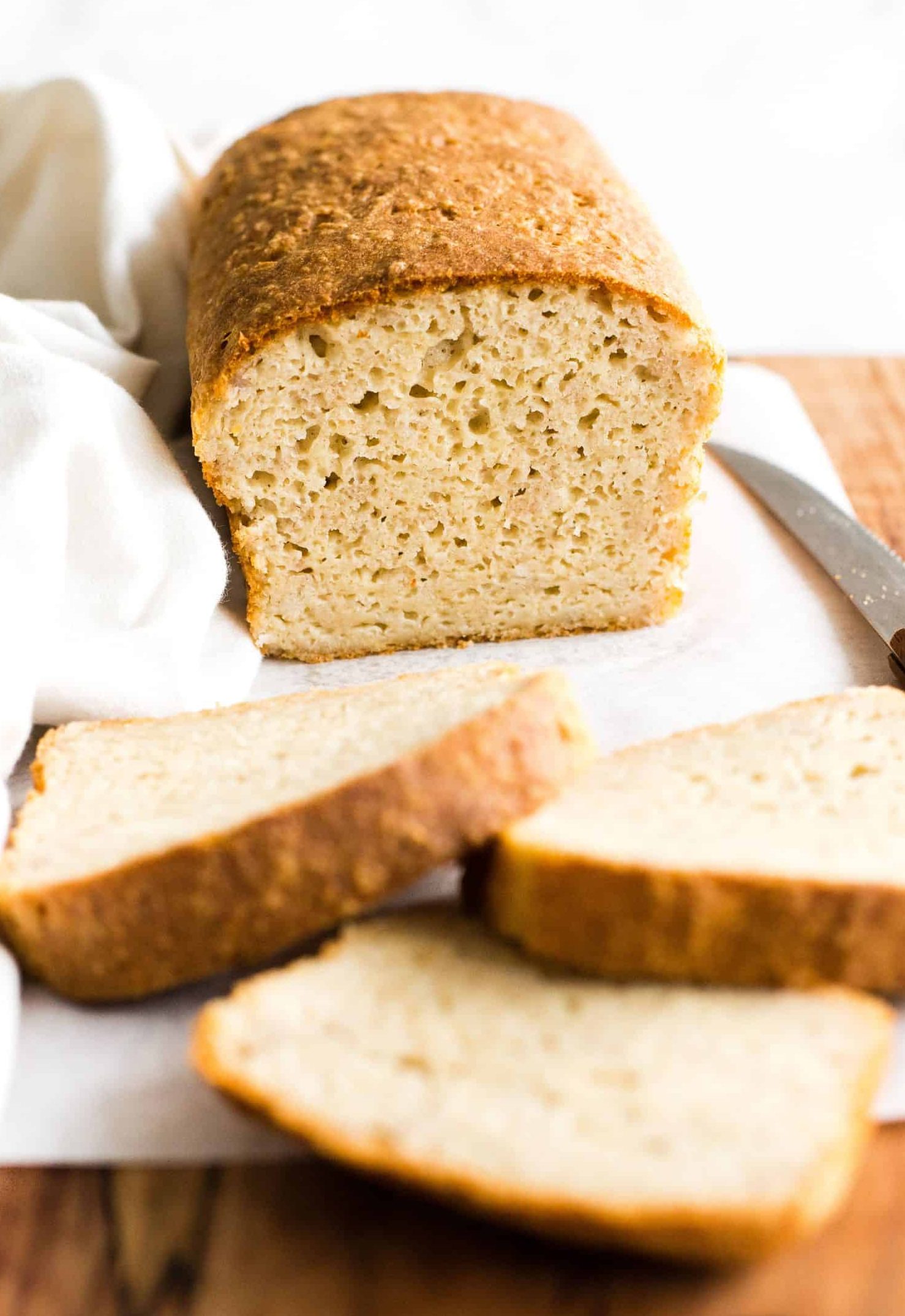
Sorghum Bread (Isinkwa Samabele) is a traditional South African staple made from fermented sorghum meal. Deeply rooted in isiXhosa and isiZulu food culture, it is a dense, slightly sour bread traditionally steamed or baked and enjoyed as a filling staple rather than a fluffy loaf. Isinkwa Samabele is closely associated with rural cooking, affordability, and nourishment, often eaten with amasi, vegetables, or stews. It represents patience, tradition, and the use of indigenous grains passed down through generations.
Tips & Techniques
- Allow proper fermentation: A long, warm ferment develops the characteristic sour flavour.
- Use warm water: Helps activate natural fermentation.
- Cover loosely: Allows the dough to breathe while fermenting.
- Check consistency: The batter should be thick but pourable.
- Rest after cooking: The bread firms up as it cools.
Delicious Variations
Flavour Additions
- Amasi or sour milk: Adds richness and enhances tanginess.
- Oil or butter: Softens texture slightly.
- Sugar: A small amount balances the sourness (modern variation).
Serving Style
- Classic: Served plain with amasi or sour milk.
- Main meal: Enjoyed with beans, pumpkin, or leafy greens.
- Communal: Often shared during family meals and traditional gatherings.
Serving Suggestions
- Staple food: Served instead of pap as a main carbohydrate.
- Side dish: Complements stews, chakalaka, or vegetables.
- With protein: Pairs well with beans, meat, or eggs.
- Everyday meal: Affordable, filling, and suitable for large households.
Frequently Asked Questions (FAQs)
Q1: Is sorghum bread a main meal?
Yes. Isinkwa Samabele is commonly eaten as a
main staple, especially when paired with amasi, beans, or vegetables.
Q2: Is sorghum bread quick to make?
The preparation is simple, but fermentation takes time. It is low effort but slow due to the resting and cooking process.
Q3: Can I bake it instead of steaming?
Yes. While steaming is traditional, baking in an oven is a common modern method.
Q4: How long does it keep?
It can be stored in the fridge for up to 2–3 days and reheated gently.
Q5: Is sorghum bread gluten-free?
Yes. Sorghum is naturally gluten-free.
Lighter & Free-From Options
- Vegan: Naturally plant-based.
- Gluten-free: Made entirely from sorghum.
- Low-fat: Prepared without added oil or butter.
Nutritional Notes & Cultural Background
Sorghum is rich in fibre, minerals, and slow-releasing carbohydrates. Isinkwa Samabele has sustained communities for generations and remains an important symbol of indigenous knowledge, resilience, and cultural identity. Its fermentation process reflects traditional food preservation methods and respect for time-honoured cooking practices.
In Summary
For authentic
Isinkwa Samabele: ferment sorghum meal slowly, cook gently by steaming or baking, allow it to rest, and serve with simple, nourishing accompaniments. A humble yet powerful South African staple that embodies heritage, nourishment, and tradition.