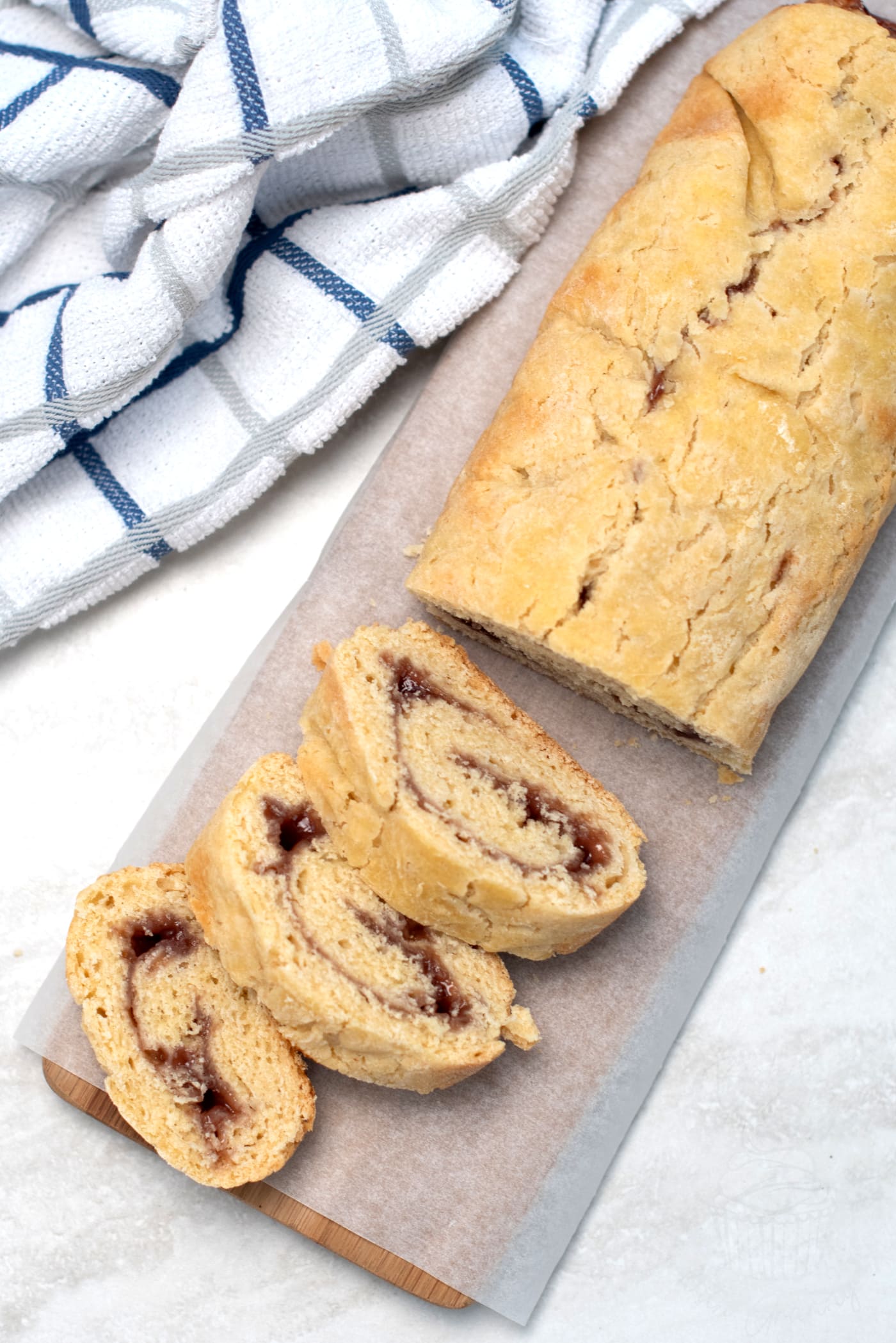
Roly Poly Pudding

12.2K

Image Source: Baking with Granny

Introduction

Roly Poly Pudding is a classic South African baked dessert made with soft dough spread with jam, rolled into a log, and baked in a sweet syrup. Loved for its comforting sweetness and soft, sticky texture, this pudding is perfect for Sunday lunches, family dinners, or cosy winter evenings. Unlike chilled desserts, roly poly pudding is warm, hearty, and baked in syrup, making it a nostalgic favourite in many South African homes.

Tips & Techniques

  • Use soft dough: The dough should be soft but not sticky so it rolls easily.
  • Spread jam evenly: This ensures every slice has flavour.
  • Pour hot syrup over: Hot syrup helps the pudding bake evenly and stay moist.
  • Roll tightly: A firm roll helps the pudding keep its shape while baking.
  • Don’t overbake: Bake until golden to keep the pudding soft and tender.

Delicious Variations

Flavour Variations

  • Apricot roly poly: The traditional version uses apricot jam.
  • Berry roly poly: Use strawberry or mixed berry jam for a fruity twist.
  • Cinnamon version: Sprinkle cinnamon sugar over the jam before rolling.
  • Golden syrup twist: Add a drizzle of golden syrup inside the roll for extra richness.

Serving Suggestions

  • With custard: The most popular way to serve roly poly pudding.
  • With cream: Fresh cream balances the sweetness of the syrup.
  • Warm dessert: Serve straight from the oven while soft and sticky.
  • Comfort food: Perfect for winter dinners or Sunday lunch desserts.

Frequently Asked Questions (FAQs)

Q1: Can I make Roly Poly Pudding ahead of time?

Yes, it can be baked earlier and gently reheated before serving.

Q2: How long does it take to prepare?

About 15 minutes preparation time and 30–35 minutes baking time.

Q3: Can I freeze Roly Poly Pudding?

Yes, once baked it can be frozen and reheated in the oven until warm.

Q4: How many people does this recipe serve?

About 6–8 servings, depending on portion size.

Lighter & Free-From Options

  • Lower-sugar: Use reduced-sugar jam and slightly less syrup.
  • Dairy-free: Replace butter with plant-based margarine and use plant milk.
  • Vegan-friendly: Use dairy-free butter and milk alternatives.

Nutritional Notes & Cultural Background

Roly Poly Pudding is a warm, carbohydrate-rich comfort dessert often served during colder months. It reflects South Africa’s tradition of simple baked puddings served hot with custard, bringing nostalgic flavours to family tables and gatherings.

In Summary

To make traditional South African Roly Poly Pudding, roll soft dough with jam, place it in a baking dish, pour sweet syrup over it, and bake until golden and soft. Warm, sticky, and comforting, this classic pudding remains a beloved dessert in many South African kitchens.

Roly Poly Pudding

Roly Poly Pudding. This authentic recipe is simple to make and guaranteed to impress.
Course Dessert
Cuisine South African
Servings 8 people

Ingredients
  

  • 1 cup cake flour for the dough
  • 1 tsp baking powder for the dough
  • pinch of salt for the dough
  • 1 tbsp butter for the dough
  • ½ cup milk for the dough
  • 3–4 tbsp apricot jam for the dough
  • 1 cup water for the syrup
  • ½ cup sugar for the syrup
  • 1 tbsp butter for the syrup
  • 1 tsp vanilla essence for the syrup

Instructions
 

  • Preheat oven: Preheat oven to 180°C and lightly grease a baking dish.
  • Make the dough: In a bowl mix flour, baking powder, and salt. Rub in the butter until crumbly. Add milk and mix into a soft dough.
  • Roll and fill: Roll the dough out on a floured surface into a rectangle. Spread apricot jam evenly over the dough.
  • Roll it up: Roll the dough like a Swiss roll to form a log.
  • Prepare syrup: Heat water, sugar, butter, and vanilla in a saucepan until sugar dissolves.
  • Bake: Place the rolled dough in the baking dish and pour the hot syrup over it. Bake for 30–35 minutes until golden and cooked through.
  • Serve: Slice and serve warm with custard or cream.
Keyword Syrup
Close
Your custom text © Copyright 2026. All rights reserved.
Close