
Introduction
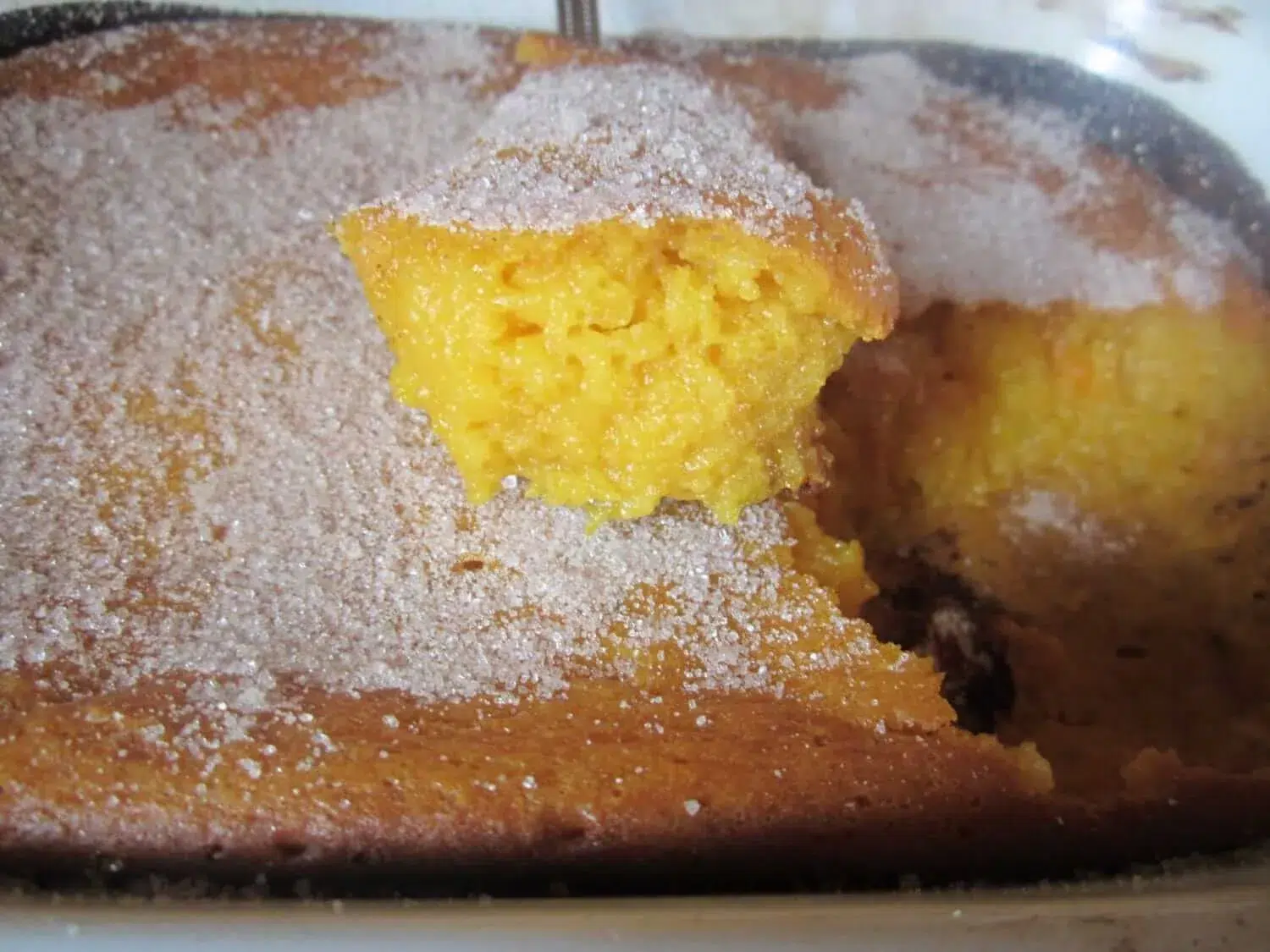
Pampoentert — Afrikaans for “pumpkin tart” — is South Africa’s homely answer to pumpkin pie. Unlike some North American versions which lean very sweet and heavily spiced, Pampoentert is typically gentler: creamy, softly set, and perfumed with cinnamon (and sometimes a hint of nutmeg). It can be baked in a classic pastry shell, a crushed-biscuit base, or even without a crust for a delicate, custard-style dessert. Many families serve it warm with cinnamon sugar and a dollop of whipped cream, while others prefer it chilled so the texture settles into a perfect, sliceable wedge.
At its heart, Pampoentert is practical: it makes good use of cooked pumpkin or butternut, comes together from pantry staples, and welcomes countless tweaks — from citrus zest and vanilla to creamy swirls or coconut richness. Whether you’re making a Sunday pudding or a festive centrepiece, a few technique notes will guarantee a smooth, velvety result every time.
Tips & Techniques
- Roast, don’t boil (if you can): Roasting pumpkin or butternut concentrates flavour and reduces water content, giving a sweeter, less watery purée. If you do boil or steam, drain well and press through a sieve or cheesecloth to remove excess moisture.
- Blend silky-smooth: A stick blender or food processor yields a fine purée that bakes without fibrous bits. For an ultra-smooth finish, push the purée through a fine sieve.
- Balance the dairy: A mix of milk and cream (or evaporated milk) gives silky custard without heaviness. For a richer tart, increase the cream fraction slightly.
- Spice with restraint: Cinnamon is traditional; nutmeg and ginger are optional accents. South African pampoentert usually tastes softly spiced rather than assertive.
- Thicken thoughtfully: Eggs set the custard. If your purée is very moist, a spoon of cornflour (maizena) whisked into the milk helps a clean slice without rubberiness.
- Blind-bake pastry shells: If using shortcrust, blind-bake until just golden to prevent sogginess, then cool slightly before adding filling.
- Mind the bake: Bake at a moderate temperature until the edges are set and the centre still quivers slightly. Over-baking can cause cracks; a gentle wobble finishes setting as it cools.
- Chill or serve warm: For neat slices, cool to room temperature then chill. For a cosy spoonable dessert, serve warm with cinnamon sugar and cream.
- Citrus lift: A little naartjie (tangerine) or orange zest brightens the custard and plays beautifully with cinnamon.
- Texture insurance: If the mixture seems thin, whisk in a teaspoon or two more cornflour. If too thick, loosen with a splash of milk before pouring.
Delicious Variations
Crust Choices
- Shortcrust Pastry: Classic, buttery base. Blind-bake to prevent a soggy bottom and brush the warm shell with beaten egg white for a moisture barrier.
- Biscuit Crust: Crushed Marie/tennis biscuits mixed with melted butter and a pinch of cinnamon; press firmly and bake briefly to set.
- Crustless: Pour the filling into a buttered dish and bake gently for a lighter, custard-forward dessert.
Flavour Twists
- Vanilla & Citrus: Add vanilla and naartjie zest to the custard; dust with cinnamon sugar after baking.
- Coconut Cream Pampoentert: Replace part of the dairy with coconut milk/cream; sprinkle lightly with toasted coconut to serve.
- Rooibos Infusion: Warm the milk with a rooibos teabag, then cool and strain before mixing; yields subtle honeyed notes.
- Cream Cheese Swirl: Dollop small spoonfuls of lightly sweetened cream cheese over the filling and swirl with a skewer for a cheesecake-kissed finish.
- Brown Butter: Swap part of the butter in the crust for nutty brown butter to deepen flavour.
Lighter & Free-From Options
- Gluten-Free: Use a gluten-free biscuit base or a nut-and-oat crust; ensure cornflour is certified GF if used.
- Dairy-Free: Use coconut or oat milk/cream; brush the crust with aquafaba instead of egg white for a barrier.
- Lower Sugar: Reduce sugar by 15–25% and rely on roasted pumpkin’s natural sweetness; add a pinch of salt and vanilla for roundness.
- Egg-Free Approach: Use a custard set with cornflour and a little plant-based cream; texture will be softer and more pudding-like.
Serving Suggestions
- Warm & Cosy: Serve warm with cinnamon sugar, pouring custard, or lightly whipped cream.
- Chilled & Neat: Chill fully for clean slices; garnish with a dusting of cinnamon and thin curls of candied citrus.
- Tea-Time Plate: Pair narrow wedges with rooibos or coffee; add a few almonds or pecans for nutty contrast.
- Festive Dessert: Top with a cloud of spiced whipped cream (cinnamon + vanilla) and a drizzle of honey or caramel.
- Breakfast Treat (leftovers): Enjoy a small chilled slice with Greek yoghurt and a spoon of apricot compote.
Frequently Asked Questions (FAQs)
Q1: Can I use butternut instead of pumpkin?
Yes. Butternut is common in South Africa and often sweeter than pumpkin. Roast for best flavour, then drain/blot to remove excess moisture before blending into the custard.
Q2: Why did my tart crack?
Over-baking or a too-hot oven are typical causes. Bake until the centre has a gentle wobble, then cool gradually. If cracks appear, cover with spiced cream — it still tastes fantastic.
Q3: The filling was watery — what went wrong?
Likely a wet purée or under-baked custard. Roast rather than boil the pumpkin, drain thoroughly, and consider adding 1–2 teaspoons of cornflour to help set.
Q4: Can I make Pampoentert ahead?
Absolutely. Bake, cool, and refrigerate up to 24 hours. Bring to room temperature before serving, or warm gently in a low oven. Biscuit crusts soften over time — serve within a day for best texture.
Q5: How do I prevent a soggy crust?
Blind-bake the shell, cool slightly, and brush with a thin layer of beaten egg white. Pour in warm (not hot) filling and bake on a preheated tray to help crisp the base.
Q6: What spices are traditional?
Cinnamon is the hero. A whisper of nutmeg or ginger is optional. South African versions are less spice-heavy than some international pumpkin pies.
Q7: Can I reduce the eggs?
You can, but structure relies on eggs. If reducing, add a teaspoon or two of cornflour and bake gently to avoid a weepy centre.
Q8: Is condensed milk authentic?
It’s a popular shortcut in many homes and produces a denser, sweeter tart. Reduce additional sugar accordingly and bake at a slightly lower temperature.
Q9: How do I know it’s done?
The edges will be set and the centre will jiggle slightly when you nudge the pan. It will continue to firm up as it cools.
Q10: Can I freeze Pampoentert?
It’s best fresh or refrigerated for up to 2–3 days. Freezing can cause textural changes, especially with custard fillings and biscuit bases.
Nutritional Notes & Cultural Background
Pampoentert is a comfort dessert: carbohydrate-forward with moderate fat and protein from dairy and eggs. Pumpkin/butternut contribute fibre and beta-carotene, and roasted purée makes it naturally sweet so added sugar can be modest. Serving smaller slices with yoghurt or fresh fruit helps balance the plate.
Culturally, Pampoentert sits within boerekos (Afrikaans home cooking), alongside pampoenkoekies (pumpkin fritters) and milk tarts. It reflects South Africa’s seasonal cooking habits — pumpkins stored through cooler months and transformed into thrifty, generous puddings for Sunday lunch. Families guard their own ratios of milk to cream, spice blends, and crust choices, but the soul of the dish remains the same: simple ingredients, carefully handled, becoming more than the sum of their parts.
In Summary
Pampoentert (South African pumpkin pie) is silky, softly spiced, and deeply comforting — a dessert that feels like home. Roast the pumpkin for flavour, blend it smooth, blind-bake the crust, and bake gently to a delicate wobble. Whether you serve it warm with cinnamon sugar or chilled with spiced cream, this humble tart carries the warmth of South African kitchens to every table.
Pampoentert (South African Pumpkin Pie)
Ingredients
- 2 cups mashed pumpkin (or butternut)
- ½ cup sugar
- 2 eggs
- 2 tbsp melted butter or margarine
- ½ cup flour
- 1 tsp baking powder
- 1 tsp cinnamon
- 1 cup milk
- 1 pinch salt
- 1 tsp vanilla essence (optional)
Instructions
- Preheat oven to 180°C (350°F) and grease a pie dish.
- Mix everything together in a big bowl until smooth.
- Pour into the dish and bake for 40–50 minutes, or until set and golden.
- Let cool slightly before serving. Enjoy warm or cold.