
Introduction
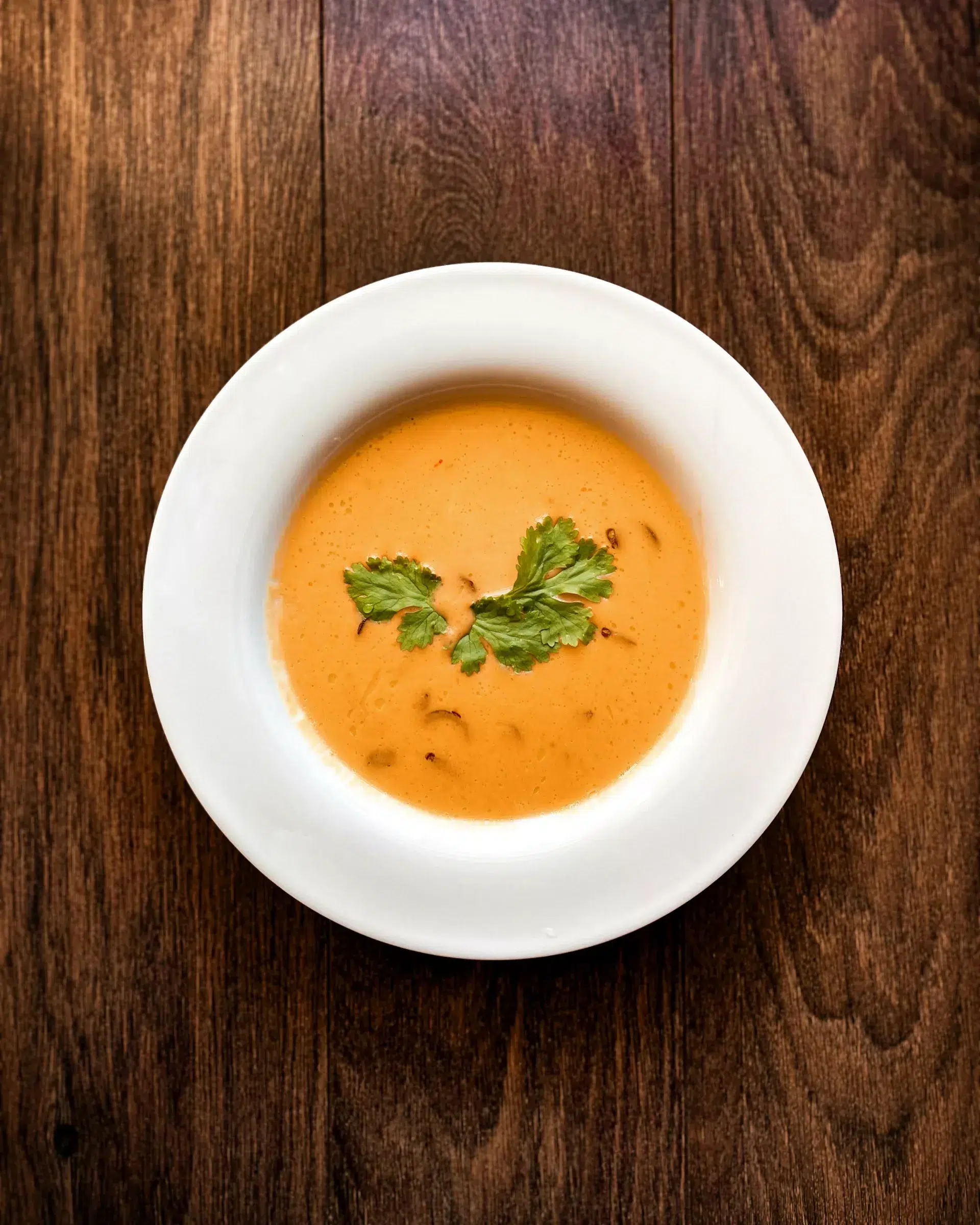
Butternut soup is a staple of South African home cooking—velvety, lightly sweet, and endlessly adaptable. Whether you prefer a classic, creamy bowl with a hint of nutmeg or a Cape-inspired version scented with mild curry spices, this soup delivers comfort in minutes. It’s budget-friendly, freezer-ready, and perfect for make-ahead lunches or cosy weekend starters. The key to an exceptional pot is developing flavour at the start—sweating aromatics or roasting the butternut—then blending to a smooth, luxurious finish and balancing sweetness with salt, acidity, and subtle heat.
From school fêtes to restaurant menus, you’ll find butternut soup everywhere in South Africa. It pairs beautifully with crusty bread, roosterkoek, or seed-studded crackers, and it welcomes toppings ranging from toasted nuts to a swirl of cream, yoghurt, or coconut milk.
Tips & Techniques
- Roast for depth: Roasting butternut at high heat caramelises natural sugars and concentrates flavour. If boiling, drain well to avoid watery soup.
- Sweat aromatics: Gently cook onion, leek, or shallot in a little butter/oil until sweet—this forms a flavour base. Add garlic/ginger only briefly so they don’t scorch.
- Balance sweetness: Butternut is sweet; offset with enough salt, a squeeze of lemon, or a splash of apple cider vinegar. A pinch of chili or black pepper adds contrast.
- Choose your liquid: Vegetable or chicken stock yields body; water works if your aromatics are robust. Coconut milk or cream adds silkiness—add near the end.
- Blend safely: Cool slightly before blending. For stick blenders, keep the head submerged; for jug blenders, vent the lid and cover with a towel to prevent steam bursts.
- Texture control: For extra velvety soup, pass through a fine sieve after blending. Too thick? Loosen with hot stock. Too thin? Simmer to reduce.
- Season at the end: Taste after blending—add salt, acid, and spice gradually. A tiny pinch of sugar can round harshness if you’ve added lots of acid.
- Make it shine: Finish with a swirl (cream, coconut milk, yoghurt), a drizzle (chilli oil or herb oil), and crunch (toasted seeds or croutons).
Delicious Variations
Cape & Durban Inspirations
- Cape Malay Mild Curry: Bloom mild curry powder, ground coriander, and turmeric with onions; finish with apricot chutney or a touch of naartjie zest.
- Ginger & Coconut: Fresh ginger and garlic simmered with stock; finish with coconut milk and lime for a bright, dairy-free bowl.
- Durban Heat: Add a teaspoon of Durban masala and a few curry leaves; temper with a dollop of yoghurt at the table.
Restaurant-Style Twists
- Brown Butter & Sage: Spoon over nutty brown butter with crisp sage leaves and toasted pumpkin seeds.
- Rooibos Infusion: Steep a strong rooibos teabag in hot stock for 3–4 minutes, remove, then build the soup—adds honeyed depth.
- Smoky Paprika: Stir in smoked paprika and finish with charred corn kernels and coriander.
Lighter & Free-From Options
- Dairy-Free: Use olive oil and coconut milk or simply stock + a spoon of olive oil for gloss.
- Lower-Carb Emphasis: Increase cauliflower (half-and-half with butternut) for a less sweet, lighter bowl.
- High-Protein Boost: Blend in a can of drained white beans or a scoop of plain yoghurt; season well.
Serving Suggestions
- Bread & Bakes: Serve with roosterkoek, seed loaf, garlic bread, or mini vetkoek for dunking.
- Toppings Bar: Offer bowls of toasted pumpkin seeds, crispy bacon bits, feta crumbles, chopped chives, and chilli oil.
- Salad Pairing: A crisp green salad with lemon vinaigrette balances the soup’s sweetness.
- Braai Starter: Serve in mugs as a braai opener—easy to sip while the coals settle.
- Lunchboxes: Pack in a thermos with a small tub of yoghurt and a sachet of seeds for texture.
Frequently Asked Questions (FAQs)
Q1: Why is my soup watery?
Likely too much cooking liquid or boiled butternut that wasn’t drained. Reduce uncovered to thicken, or blend in more cooked butternut or a small boiled potato/white beans.
Q2: How do I get a super-smooth texture?
Roast the butternut, blend while still warm with enough fat (butter, cream, coconut milk), and pass through a fine sieve. Don’t rush the blending step.
Q3: Can I freeze butternut soup?
Yes. Cool completely, portion, and freeze up to 2–3 months. If dairy is included, whisk after reheating to re-emulsify; or freeze it before adding dairy and stir cream in on reheat.
Q4: How do I prevent a grainy finish?
Undercooked butternut or over-reduced soup can feel gritty. Cook until very tender and add enough liquid/fat to blend silky. A splash of cream smooths edges.
Q5: Can I make it vegan?
Absolutely—use oil instead of butter, vegetable stock, and coconut milk or oat cream. Finish with lemon for brightness.
Q6: Which spices work best?
Nutmeg, cinnamon, mild curry powder, coriander, and smoked paprika are classics. Start small—spices should support, not dominate.
Q7: Do I need to peel the butternut?
For roasting and blending, peeling gives the smoothest result. If you roast halves skin-on, scoop the flesh after cooking.
Q8: Can I use pre-cut or frozen butternut?
Yes. Roast from fresh or cook frozen straight into the pot; drain any excess liquid before blending and adjust seasoning.
Q9: How do I add protein for a full meal?
Top with chickpeas fried in paprika, shredded rotisserie chicken, or crumbled feta. A side of grilled cheese or ham-and-cheese toasties also works.
Q10: What if it’s too sweet?
Add salt, black pepper, a squeeze of lemon, and a pinch of chilli or smoked paprika. A spoon of yoghurt also balances sweetness.
Nutritional Notes & Cultural Background
Butternut soup is naturally rich in beta-carotene and fibre, with calories determined by the fat and dairy you add. Pair with a salad, lean protein, or seed-topped bread for a balanced meal. Culturally, it’s part of modern South African comfort cooking—appearing at winter markets, in flasks at rugby sidelines, and on family tables from the Cape to KwaZulu-Natal. Variations reflect regional tastes: gentle Cape spices, Durban’s chilli warmth, or simple farm-style bowls finished with cream and chives.
In Summary
South African butternut soup is velvety, versatile, and gloriously golden. Build flavour with roasted squash or well-sweated aromatics, blend until silky, and balance sweetness with salt, acid, and a touch of heat. With endless variations and freezer-friendly ease, it’s the cosy bowl you’ll reach for all season long.

South African Butternut Soup
Ingredients
- 1 kg butternut peeled and chopped
- 1 onion chopped
- 2 cloves garlic (optional)
- 1 potato peeled and chopped (for creaminess)
- 1 tbsp oil or butter
- 1 tsp mild curry powder (or just salt and pepper if you prefer)
- 4 cups water with 1 stock cube
- To taste Salt and pepper
- ¼ cup cream or milk (optional)
Instructions
- Fry onion and garlic in oil until soft (about 5 minutes).
- Add butternut and potato. Stir in curry powder.
- Add stock, cover, and simmer for about 25 minutes (until soft).
- Blend with a stick blender (or mash if you don’t have one).
- Stir in cream if using. Add salt and pepper to taste.
- Serve warm, with bread or on its own.