Image Source: Taste Atlas
Inleiding
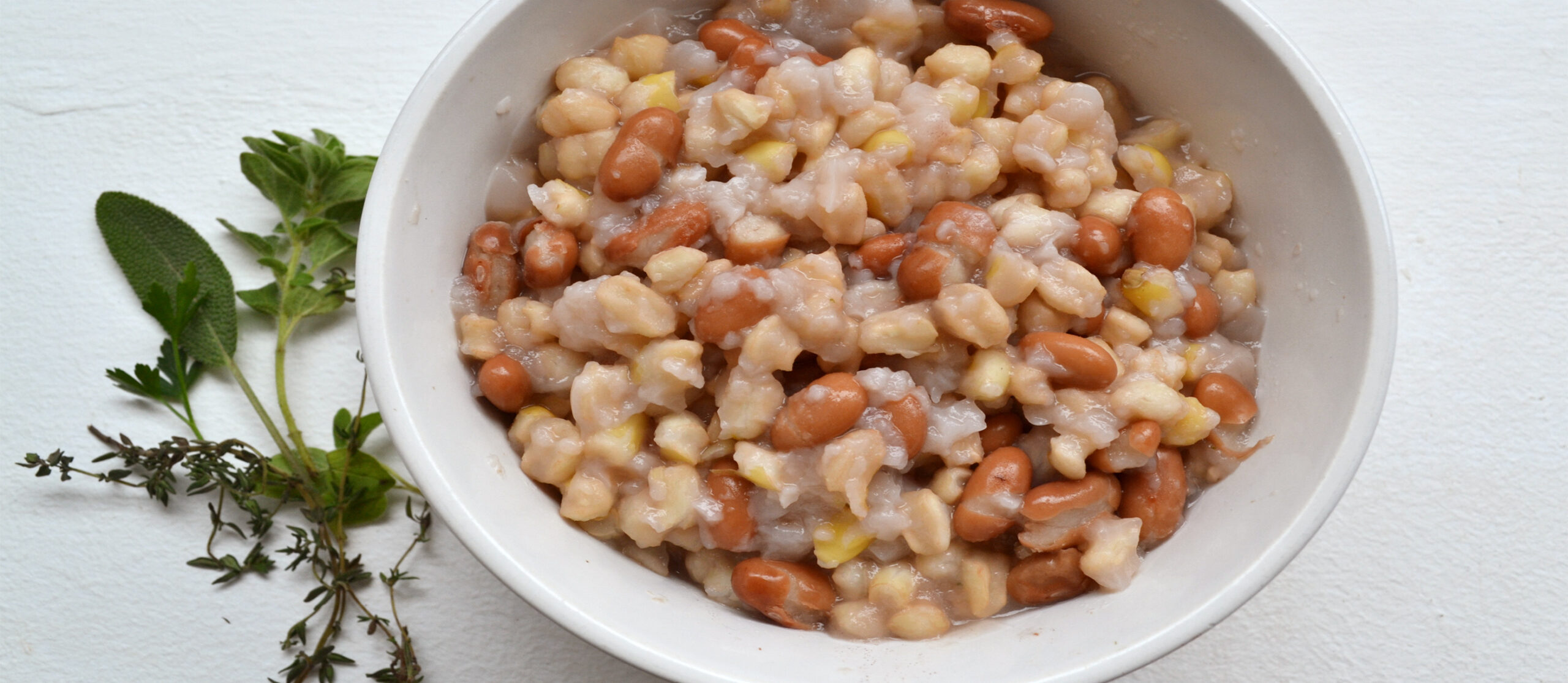
Dikgobe is a traditional Southern African dish made from samp (crushed maize) and sugar beans, slow-cooked until soft and hearty. Loved for its rich, comforting texture and nourishing qualities, it is perfect for family meals or everyday comfort food. Unlike ordinary starch dishes, it is filling, wholesome, and deeply rooted in Southern African tradition.Tips en technieken
- Soak overnight: Reduces cooking time and ensures tender beans and samp.
- Cook low and slow: Prevents burning and allows flavours to develop fully.
- Add salt at the right time: Season after beans are soft to avoid toughness.
- Stir occasionally: Prevents sticking and promotes even cooking.
- Enhance flavour: Sauté onions or add stock for richer taste.
Heerlijke variaties
Flavour Variations
- Meaty version: Cook with beef, chicken, or bones for a hearty meal.
- Vegetable version: Add carrots, peppers, or leafy greens for extra nutrition.
- Creamy version: Stir in butter or cream for a richer texture.
- Gekruide versie: Include mild spices or curry powder for a bold flavour.
Suggesties voor serveren
- As a main dish: Serve on its own for a filling meal.
- With meat: Pair with stews, braais, or roasted meats.
- With chakalaka: Adds a spicy, tangy contrast.
- With salad or vegetables: Balance the richness with fresh sides.
Veelgestelde vragen (FAQ's)
Q1: What is dikgobe?
It is a traditional dish made from samp and sugar beans, commonly eaten in Southern Africa.Q2: Do the beans and samp need soaking?
Soaking is recommended to reduce cooking time and ensure a soft, tender texture, but it is optional.Q3: How long does it take to cook?
Approximately 1.5–2 hours on the stove, or less if pre-soaked.Q4: How many servings does this recipe make?
Approximately 4–6 servings, depending on portion size.Lichtere & Vrije Opties
- Low fat: Skip butter or fatty meats for a lighter version.
- Vegan-friendly: Naturally plant-based if cooked without meat.
- Low salt: Reduce added salt or use low-sodium stock.
Voedingsadviezen en culturele achtergrond
Dikgobe is high in fibre, protein, and complex carbohydrates, making it both nutritious and filling. It is widely enjoyed across Southern Africa and reflects a tradition of simple, affordable, and sustaining home-cooked meals passed down through generations.Samengevat
To make dikgobe, soak samp and sugar beans, then cook slowly with onions, water or stock, and optional spices until tender. Hearty, comforting, and nutritious, this traditional dish is perfect as a main meal or alongside meat, vegetables, or spicy sides.Dikgobe
Dikgobe. Enjoy the rich, comforting flavors that make this dish a timeless favorite.
Cursus Hoofdgerecht
Keuken Zuid-Afrikaans
Porties 6 mensen
Ingrediënten
- 2 kopjes samp (crushed maize)
- 1 kopje sugar beans (or any small red/white beans)
- 1 medium onion, chopped
- 2-3 el bakolie (optioneel)
- 4 kopjes water or stock (adjust as needed)
- Salt to taste
- spices like black pepper, curry powder, or a bay leaf (optioneel)
Instructies
- Soak the beans and sampRinse beans and samp thoroughly.Soak overnight or for at least 6–8 hours to reduce cooking time.
- Boil the beansDrain the soaking water.In a large pot, add beans and fresh water.Bring to a boil and cook for 20–30 minutes until slightly tender.
- Add the sampAdd the soaked samp to the beans.Add enough water or stock to cover the mixture.
- Cook slowlyBring to a boil, then reduce heat to low.Cover and simmer for 1–1.5 hours, stirring occasionally.Add more water if necessary to prevent sticking.
- Add flavourIn a small pan, sauté onions in oil until golden (optional).Add onions and any spices to the pot.Add salt to taste after the beans are tender.
- Finish cookingContinue simmering until samp and beans are soft and creamy.Check seasoning and adjust if needed.
- ServeerServe hot as a main dish, or alongside meat, vegetables, or a spicy relish like chakalaka.
Trefwoord Groente